By Daniel R. · Updated 2026-08-15 · 11 min read
“IPTV TV” sounds redundant because it is: IPTV already stands for Internet Protocol Television, and “TV” repeats the same idea. But it’s the phrase most people type when they want to replace cable with streaming live TV. In plain terms, IPTV sends television channels and on-demand content over your internet connection as data packets, not through a coax cable or satellite dish.
The real problem is that the word IPTV is used for two very different things. On one side, licensed services like YouTube TV, Hulu + Live TV, Sling TV, Philo, and Fubo deliver live TV over the internet. On the other side, cheap third-party resellers advertise thousands of channels for a few dollars a month. That difference changes the safety, reliability, and legal status of your setup.
This guide compares the two practical choices: traditional cable/satellite TV and modern IPTV subscriptions. The chart at the top of the page is typical of the bold marketing you’ll see from IPTV resellers. After reading this, you’ll know which choice fits your budget, your experience level, and the channels you actually watch.
What Is IPTV TV, Really?
IPTV is an umbrella term for television delivered through internet protocols. It is not one specific app or one company. There are three common formats:
- Live television — linear channels broadcast in real time, like a traditional cable channel.
- Video on demand — a library of movies, shows, sports replays, and original series you can start whenever you want.
- Time-shifted TV — catch-up TV and start-over functions that keep recent broadcasts available for a short period.
An IPTV channels list in the USA typically includes broadcast networks where the service has local rights, national entertainment channels, sports networks, news, and regional options depending on your ZIP code. That lineup is exactly what makes IPTV attractive: you can often build a smaller package without paying for 250 channels you never open.
How Does IPTV Work?
Instead of a broadcast tower or a satellite sending one signal to everyone, IPTV uses a two-way internet connection. A content source is encoded into compressed video, distributed through servers, and then decoded by your device’s media player. The process happens very quickly, but the quality depends on your network.
- A live TV channel is captured from the licensed content source or local broadcast feed.
- The signal is encoded into a digital video format such as H.264 or H.265.
- The encoded stream is published to a server or CDN connected to the internet.
- Your IPTV app requests the channel and downloads small data packets to your device.
- The app decodes the packets and shows the video on your screen.
In practical terms, “how does IPTV work” is easier to remember like this: your remote no longer controls a cable box; it controls an app. The app talks to a server, and the server talks back with live video.
The Real Question: IPTV vs Cable TV
A traditional cable or satellite subscription is a managed service. The provider controls the signal from the source to the box on your shelf. IPTV hands more of that responsibility to your home internet connection and the app running on your device. Both can give you live sports, local news, and premium channels. The difference is in how much flexibility you want and how much risk you are willing to accept.
Criteria That Actually Matter When You Compare
- Channel list — Are local ABC, CBS, NBC, and Fox included? What about ESPN, TNT, FS1, CNN, or your regional sports network?
- Reliability — Does the service buffer during big games? Is there a trial period so you can test it?
- Device compatibility — Does it work on Fire Stick, Apple TV, Android TV, Samsung/LG smart TVs, phone, or tablet?
- Price and hidden fees — Is the advertised price valid for a year, or does it expire after six months? Are there DVR fees, box rentals, regional sports fees, or taxes?
- Legal clarity — Is the app available in an official app store? Is the service transparent about its content licensing?
- Setup difficulty — Can you install an app and sign in, or do you need to enter a playlist URL and EPG source manually?
IPTV vs Cable: Side-by-Side Comparison Table
Option A Deep Dive: Traditional Cable and Satellite TV
Cable television has one massive advantage: it is engineered to work without depending on your home internet speed. The provider sends a signal through a managed network, and the set-top box decodes it. That means fewer buffering issues, predictable quality, and no need to understand M3U playlists or EPG sources.
Cable and satellite still make sense in areas with weak broadband, for households that watch a lot of regional sports, and for people who simply want a familiar remote and an on-screen guide that never needs a software update. However, the pricing model remains a problem. Promotions expire, receiver fees appear, and you are often locked into a bundle with 300 channels just to get the 15 you watch.
✓ Benefits & Pros
Reliable signal even when your home internet dips
Local and regional networks are usually bundled automatically
Familiar interface with no app configuration
Bundle with internet can keep the total bill competitive for a few years
✗ Limitations & Cons
Promotional pricing expires and bills creep up
DVR service, HD service, and extra box rentals add hidden fees
Long-term contracts with early termination penalties
Usually limited to TVs in your home, not useful when you travel
Option B Deep Dive: IPTV Services
IPTV is more than a cheaper cable clone. Licensed services like YouTube TV, Hulu + Live TV, Sling TV, Philo, FuboTV, and DIRECTV STREAM all deliver live TV over the internet. They have official apps in app stores, transparent pricing, customer support, and cloud DVR features. For the Fire Stick in particular, these are the safest choices.
There is also the other side of IPTV: cheap reseller packages sold through Telegram, WhatsApp, Reddit posts, or unofficial websites. These services often offer 8,000 to 12,000 channels for $10 to $20 a month. They usually depend on unauthorized re-streams, which means the service can disappear overnight, buffer constantly, and may put you on the wrong side of copyright rules. If you are looking for the “best IPTV service for Firestick” and the recommendation comes from a private message, be careful.
✓ Benefits & Pros
Month-to-month plans without a long-term contract
One subscription can cover Fire Stick, smart TV, phone, and laptop
Smaller channel packs mean you stop paying for content you never watch
Cloud DVR, on-demand libraries, and catch-up TV are often included
✗ Limitations & Cons
Streaming quality depends on your broadband speed and Wi-Fi strength
Local channel availability varies by market and provider
Unofficial resellers can vanish without warning and expose users to security risks
Sports blackouts and regional network restrictions still apply
Recommended Resource
What Is IPTV TV
Read independent network latency reviews and hardware specs before you commit to a provider.
Find Out More About What Is IPTV TV →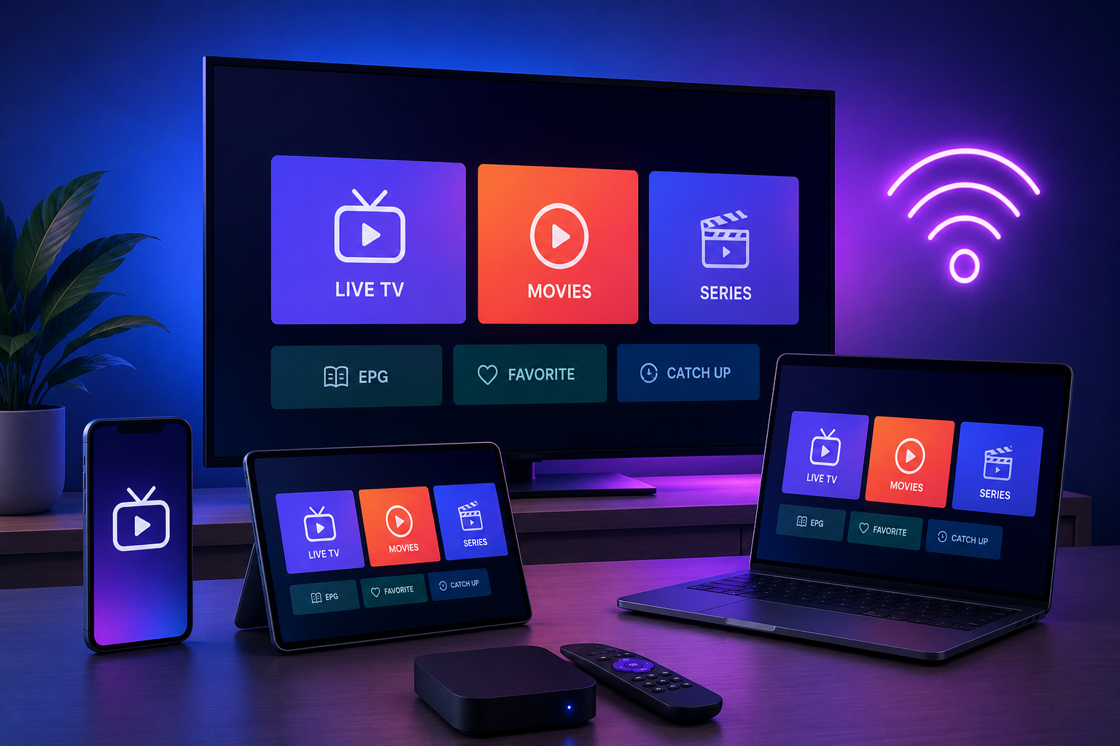
The screen layout above is the part people like about IPTV: a live channel guide, catch-up TV, and on-demand content all in one interface. That convenience only works when the provider is stable, your internet is solid, and the app is supported on your device.
Best Option by Budget
If your priority is the lowest monthly bill, a licensed IPTV service usually beats a traditional cable package. Sling TV and Philo are often cheaper than full cable bundles, though you need to check whether they carry your local channels and preferred sports networks.
A $10 unofficial IPTV subscription might look like the best option on paper. But after you add a VPN, spend time troubleshooting buffering, and potentially lose the service when the seller disappears, the savings disappear too. The most budget-friendly reliable path is usually one of the smaller licensed live TV streamers, not a gray-market reseller.
Best Option by Experience Level
Beginners should start with a licensed IPTV service from an official app store. YouTube TV, Sling TV, Philo, and Hulu + Live TV all install like any other streaming app. You do not need to know what an M3U file is, and customer support exists if something breaks.
More advanced users sometimes prefer third-party IPTV player apps like TiviMate or IPTV Smarters. Those apps do not provide channels themselves; they are players that read a playlist or portal URL from your provider. This is where “how to set up IPTV on smart TV” actually matters.
How to Set Up IPTV on a Smart TV
- Open your TV or Fire Stick app store and install an IPTV player such as IPTV Smarters or TiviMate, or install the official app from your licensed provider.
- Open the app and select “Add Playlist,” “Add User,” or “Sign In.”
- Enter the M3U URL, Xtream Codes login, portal address, or email and password provided by your service.
- Wait for the channel list and electronic program guide to load.
- Create favorites, test local channels, live sports, and on-demand content before committing to a long subscription.
Recommendation by User Profile
- Sports fan who needs ESPN, FS1, TNT, and local games: YouTube TV, Hulu + Live TV, FuboTV, or DIRECTV STREAM are better than most cable bundles because they include cloud DVR and mobile streaming. Check the regional sports network coverage in your ZIP code first.
- Entertainment-only watcher: Philo or Sling Blue can save money, especially if you do not need local sports. Cable is usually overkill for your habits.
- Household with weak internet: Traditional cable or satellite remains the safer choice. IPTV will only frustrate you if your broadband speed drops during peak hours.
- Fire Stick user: Look for official apps from licensed providers. If you want to use TiviMate or IPTV Smarters with a third-party provider, understand that many of those subscriptions are unlicensed and carry legal and security risks.
- Someone reading IPTV reviews on Reddit: Take enthusiasm with a grain of salt. The IPTV community includes real users, but it also includes paid promotions for resellers who won’t be around when the service needs maintenance.
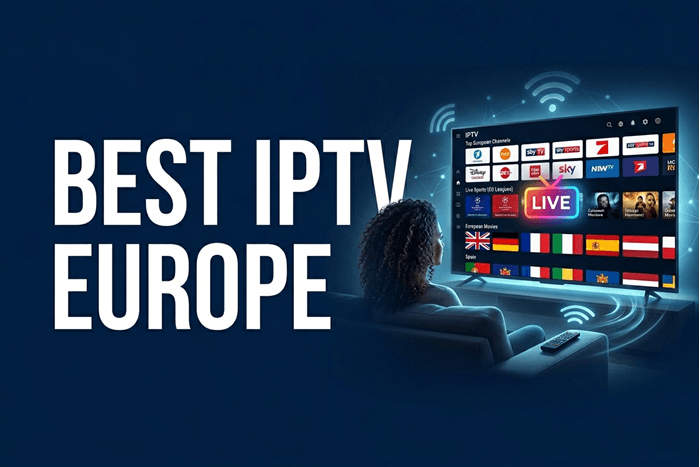
Channel guides like the one above can look identical at first glance. The real difference is who supplies the streams, whether local networks are included, and what happens when a feed drops. A long channel list is not the same thing as a reliable TV service.
So, Cable or IPTV: Which One Wins?
Choose traditional cable if you value stability and hate dealing with apps, Wi-Fi, and playlist URLs. Choose a licensed IPTV service if you want a lower bill, the freedom to watch on multiple devices, and no two-year contract. Avoid unofficial IPTV reseller subscriptions unless you fully understand the legal and security risk.
The best option is not the one with the largest channel count. It is the one that matches your internet quality, your viewing habits, and the amount of technical work you are comfortable doing on a Sunday evening.
Featured Streaming Selection:
Explore What Is IPTV TV Plans →Affiliate Disclosure: Clicking this secure link verified by our network supports our team through standard partnership terms at zero extra cost to your invoice.
Frequently Asked Questions
This article contains affiliate links. Our editorial analysis remains independent.